Historic Floor Restoration
A worn original floor is usually a refinish, not a replacement. We restore old hardwood — sanding, board-matching, and finishing — so a century-old floor keeps its character and its structure.
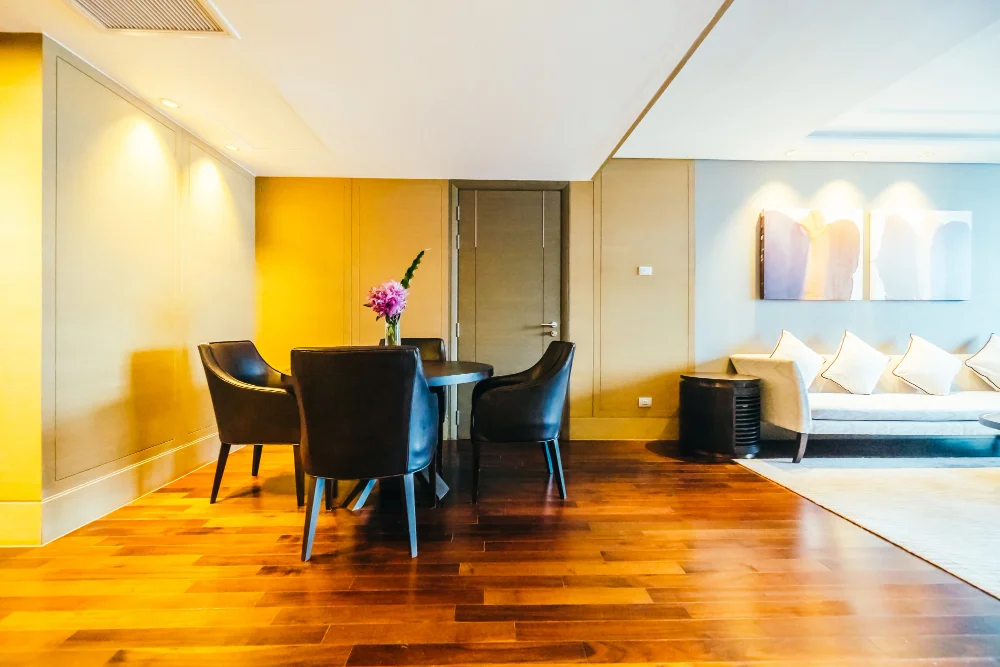
Save what can be saved
East Texas has no shortage of older homes and farmhouses with original pine and oak floors hiding under decades of wear, old finish, or a rug that's been down too long. Restoration is almost always the better answer than replacement — it costs less, keeps the house's history intact, and modern sanding and finishing techniques can bring a floor most people have written off back to real, daily use.
We assess honestly: if a floor is a refinish, we'll say so; if the damage is too far gone in a section, we source and board-match replacement material so the repair disappears into the original floor rather than standing out.
Every restoration includes
Honest assessment
We tell you plainly whether a floor is a refinish, a partial repair, or truly beyond saving.
Board matching
Sourced and stained to blend damaged sections into the original floor.
Careful sanding
Sanded to preserve as much of the original material as possible.
Period-appropriate finishing
Finish options that suit an older home's character, not just a modern showroom look.
Restoration suited to East Texas homes
Many older homes across Anderson, Cherokee, and Henderson counties were built with pier-and-beam foundations and original pine subfloors — which means restoration work often involves checking and shoring up what's underneath, not just what's on top. We inspect the substructure as part of the job, not as an afterthought.
Humidity and past water exposure are the most common culprits behind cupped or buckled original boards in this region. We identify the actual cause before refinishing, so the fix holds instead of needing to be redone in a few years.
Restoration services
From a full refinish to targeted repair of an original floor.
Full sand & refinish
Complete restoration of an original floor's surface and finish.
Board replacement
Matched replacement of damaged or missing original boards.
Subfloor & joist check
Inspection of the structure beneath older pier-and-beam floors.
Stain matching
Custom color matching so repairs blend into aged wood.
Squeak correction
Re-securing loose boards and subfloor as part of restoration.
Water damage repair
Diagnosis and repair of moisture-related original floor damage.
Is my old floor worth saving?
More often than not, yes. If the boards are solid hardwood with enough thickness left to sand, a refinish is far cheaper than replacement and keeps the house's original character. We'll assess honestly during your free evaluation.
Can you match really old wood?
In most cases. We source matching or closest-available material and stain-match on site, so patched sections blend into the surrounding original floor. Very old or unusual species can be harder — we'll tell you what to realistically expect.
Do you work on pier-and-beam foundations?
Yes — a lot of our restoration work is on older homes with pier-and-beam foundations, and we check the substructure as part of the assessment.
What causes original floors to buckle?
Usually moisture — a past leak, humidity, or ground moisture coming up through a crawl space. We diagnose the actual cause before refinishing so it doesn't come back.
Explore related services
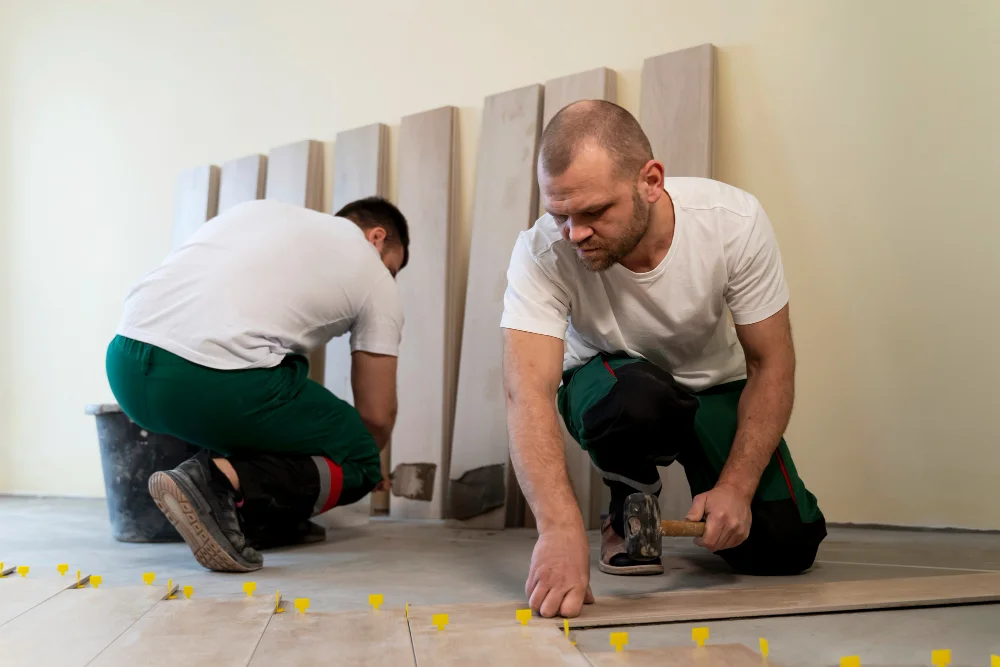
Heartwood Hardwood Flooring
Solid and engineered hardwood, including regional heartwood species.
Learn more →Reclaimed & Custom-Milled Timber
Heritage timber sourced and milled to your specifications.
Learn more →
Subfloor & Foundation Leveling
The invisible prep work that determines how long a floor lasts.
Learn more →Request a Site Evaluation
Tell us about your project and we'll get back within one business day — no obligation.
Call or Text
Free Site Evaluation
No pressure — we'll walk the space and give you a straight answer.